September 22, 2026
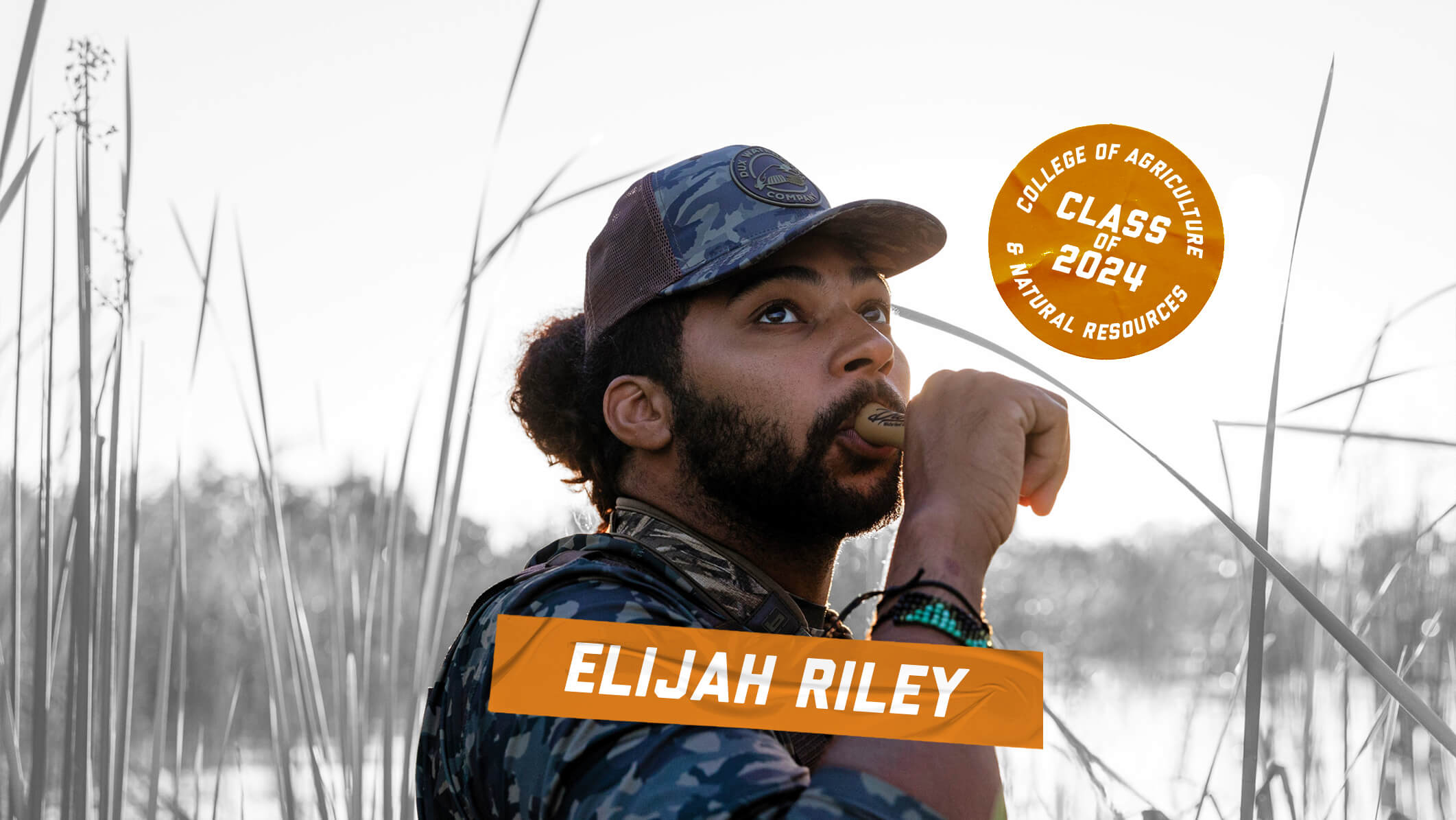
You are the founder and executive director of Big Gumdrop Outdoors. Can you share how you started Big Gumdrop Outdoors and what inspired you to jump into entrepreneurship?
Big Gumdrop Outdoors started as a passion project rooted in my own experiences growing up. I spent a lot of time fishing with my dad and developed a love for nature and the outdoors at a young age. I was fascinated by outdoor television shows and stories of adventure, but I rarely saw people who looked like me represented in those spaces. That often made it feel like the outdoors wasn't a place where I truly belonged.
As I got older, I decided to challenge that idea for myself. I bought a bow off Craigslist, started learning new outdoor pursuits, and launched Big Gumdrop Outdoors as a storytelling platform to document my experiences navigating the outdoor world.
Over time, I realized the real impact wasn't in telling my story, but in creating opportunities for young people who may feel the same barriers I once felt. That realization transformed Big Gumdrop Outdoors into the youth-focused nonprofit it is today.
In the summer of 2023, Big Gumdrop Outdoors launched its first eight-week program with the Clyde Malone Community Center, introducing youth to conservation, wildlife education and outdoor skills. Why is it important for you to open doors for youth to get outside and explore?

That program was a turning point for our organization. It was the first time I was able to take ideas and concepts I'd been developing and apply them directly with youth. Working with students at the Malone Center reaffirmed how important this work is. Many of the kids came from backgrounds that felt familiar to me, and I could see how access to outdoor experiences could open new opportunities and perspectives.
Beyond that, we live in a time when young people are spending more hours than ever looking at screens. The outdoors offers something different. It provides adventure, discovery, confidence and a chance to disconnect from the pressures of daily life. My goal is not simply to get kids outside for a day. It's to help them build a lifelong connection to nature and discover interests they may never have known existed.
Do you have any short- or long-term goals for Big Gumdrop Outdoors? If so, please share.
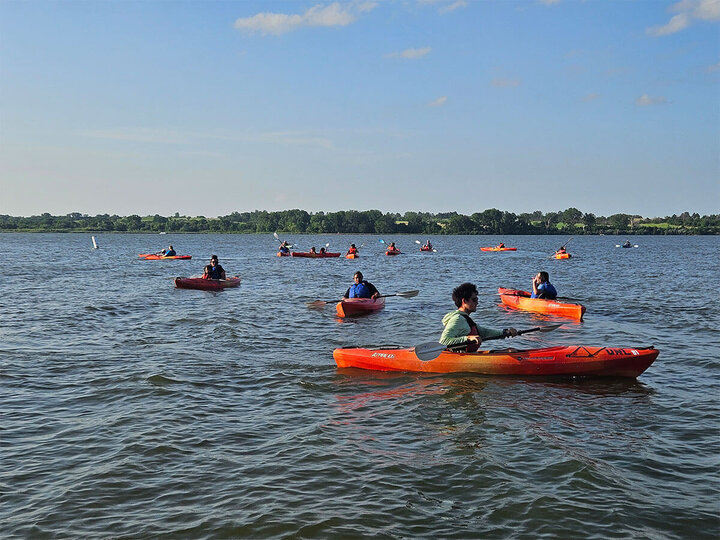
In the short term, we want to continue strengthening the programs we offer in Lincoln. Today, Big Gumdrop Outdoors operates multiple after-school clubs in elementary and middle schools, hosts monthly community events, and facilitates educational field trips. We are focused on building a pathway where youth can stay engaged with our programs from elementary school through high school.
Long term, our goal is to replicate this model in other communities across Nebraska and eventually throughout the Midwest. We want to bring meaningful outdoor experiences to places where young people may spend more time on concrete than they do on dirt. Ultimately, we hope to create a generation of conservation-minded leaders who are connected to both their communities and the natural world.
During your time at Nebraska, you were involved in the Engler Agribusiness Entrepreneurship Program. What drew you to the program and your major in agricultural and environmental sciences communication?
What initially drew me to Engler was the people. Several friends involved in the program encouraged me to apply after hearing about the vision for Big Gumdrop Outdoors. They saw potential in what I was building long before I did, and their encouragement pushed me to get involved.
I was also drawn to agricultural and environmental sciences communication because I've always enjoyed storytelling and connecting people with ideas. The major allowed me to combine my interests in natural resources, conservation, communication and public outreach. Looking back, both the program and the major gave me practical skills that I still use every day.
How did the University of Nebraska-Lincoln give you the tools to give back and be successful — with Big Gumdrop Outdoors or other endeavors?
The University of Nebraska-Lincoln gave me far more than a degree. It helped me build relationships, discover mentors and develop the confidence to pursue ideas that seemed bigger than myself.
One of the greatest lessons I learned was the importance of community involvement and serving something larger than your own interests. Through classes, organizations, conferences and networking opportunities, I met people who became champions of Big Gumdrop Outdoors and helped open doors that otherwise wouldn't have existed. Those experiences continue to influence how I lead today.
Was there anyone at Nebraska who had an impact on your academic or professional career?
There are honestly too many people to name. Throughout my time at Nebraska, I tried to say yes to opportunities, attend conferences and connect with people from as many backgrounds as possible.
If there's one common theme among the individuals who shaped my journey, it's mentorship. I've been fortunate to learn from people who challenged my thinking, shared their experiences, and encouraged me to pursue ambitious goals. Those relationships have had a tremendous impact on both my professional and personal growth.
Do you have any advice for students who are looking to integrate their passions with their professional career?
Find the thing you can't stop thinking about. The thing you talk about when you should probably be focused on something else. Then figure out how to make it a consistent part of your life.
Your passion doesn't have to become your career overnight, but the more time you spend around people doing work that excites you, the more opportunities you'll discover. Don't be afraid to ask questions, seek mentorship, and try new things. Stay curious, keep your commitments, and make yourself someone people enjoy working with. Often, the path becomes clear only after you've started walking it.