September 10, 2026
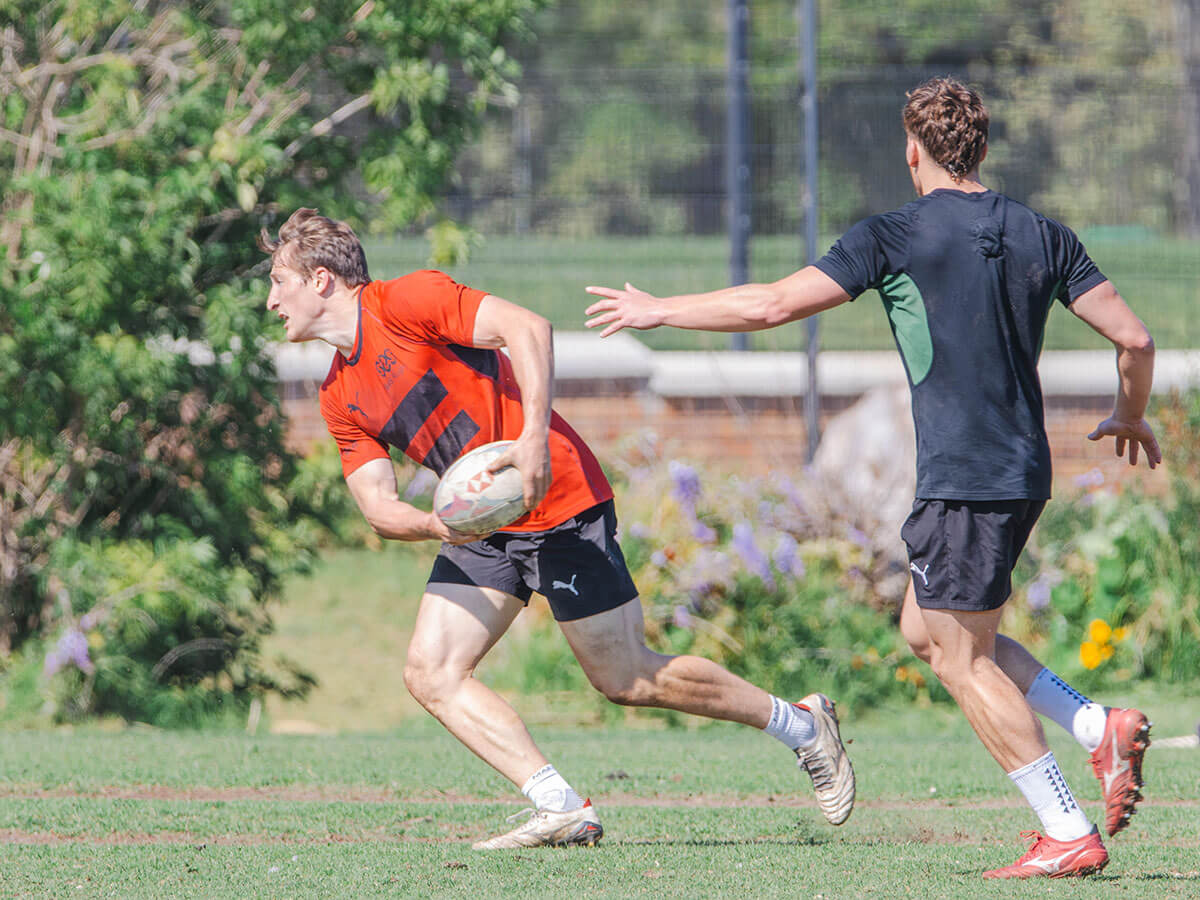
By Drew Moser, junior computer engineering major
I thought I was done with sports.
After competing in sports my entire life, I decided that when high school ended, it was time to walk away from athletics and focus on academics. And for two years, that is exactly what I did. I still lifted weights, went on runs around the city and competed in the occasional recreational flag football game and wrestling tournament, but I had made up my mind: my days of putting my all toward sports were over.
As time went on, I started to realize that something was wrong. Even though I was getting excellent grades while working an internship, I found myself moving halfheartedly through the monotonous routine I had created for myself. It took me two years to realize I was missing what sports brought to my life. I missed having something to work toward, something that pushed me to get better every day. I missed testing my limits and seeing what I was capable of. Most of all, I missed competing.
That was when, halfway through my sophomore year at Nebraska, my best friend of 15 years and roommate introduced me to the UNL Men’s Rugby Club.
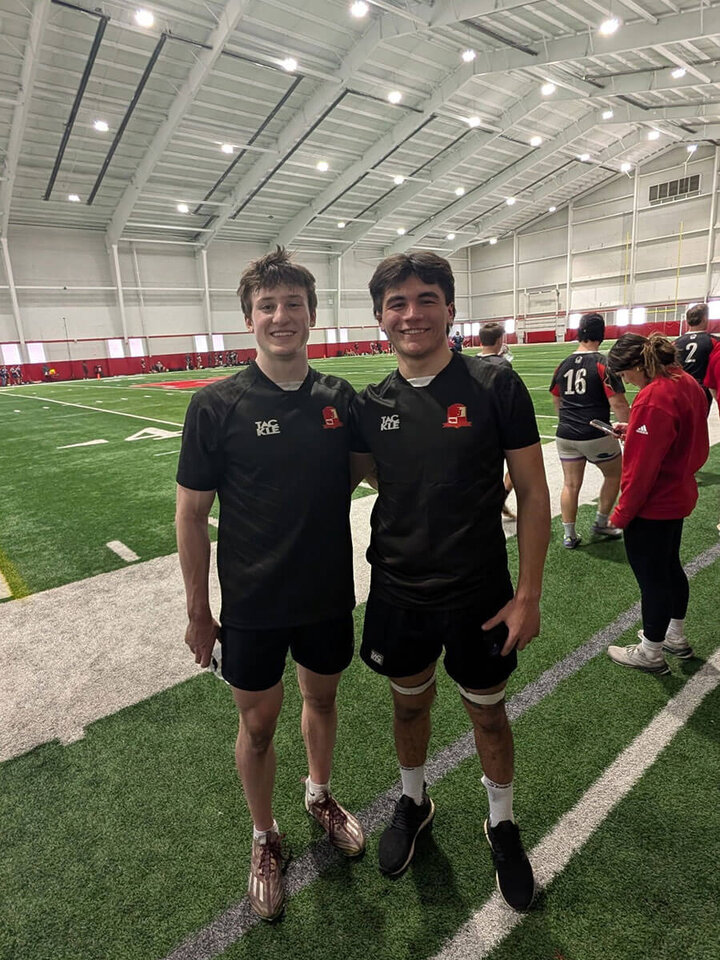
At first, I was hesitant to fully commit to the club. I had never watched or even heard much about rugby before, and its reputation for being a sport full of huge hits and injuries was intimidating. However, that feeling quickly faded when I met the team and coaches and actually began playing. Everyone was incredibly welcoming and willing to help me learn the game, and I felt right at home from the start.
Pretty quickly, rugby became a regular part of my week. Outside of practice and between classes, my friends and I spent time in the Campus Recreation Center weight room almost every day, working to get stronger and better prepared for the demands of rugby. Since I was so new to the sport, there was a lot I didn't know, so I tried to learn as much as I could from my teammates and coaches. I was constantly asking questions, watching what the more experienced players were doing and trying to improve every time I stepped on the field.
That was one of the things I enjoyed most about playing at Nebraska—I wasn't expected to already know everything. I was surrounded by teammates who were willing to teach me and coaches who pushed me to improve. At the same time, I had friends who were willing to put in extra work with me outside of practice. The combination of those things helped me improve much faster than I ever expected.
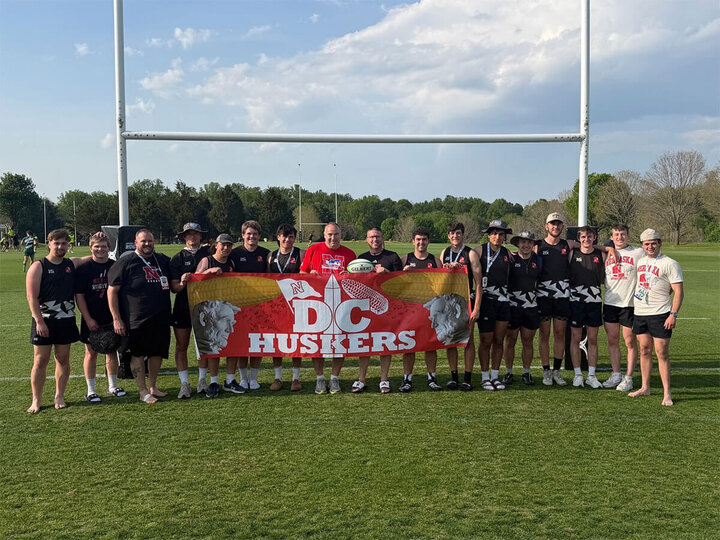
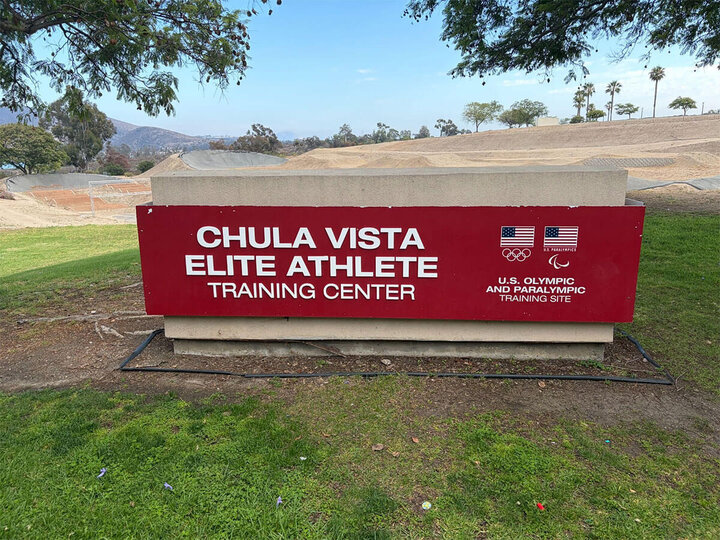
It wasn't long before I went from learning the basics of rugby to playing in my first games. That season, the club went on to qualify for two national championships, one in Washington, D.C., and another in Iowa City. It was during those competitions that my performance caught the attention of several coaches, and I was invited to the U23 camp at the Chula Vista Elite Athlete Training Center in San Diego that summer with the national team program.
Getting the opportunity to train at an Olympic training center, a place where athletes like Michael Phelps had trained before me, was surreal. When I first arrived at camp, I was intimidated. I was surrounded by elite athletes and rugby players who had been playing the game for most of their lives, while I had only been playing for about six months.
The training quickly reminded me that I had a lot to learn. We had three practices a day, along with lifting sessions and hours dedicated to developing our rugby skills. On top of that, we were training in the heat of San Diego, which made the already brutal conditioning tests even harder. It was exhausting, but going through those difficult sessions together brought the team closer. As the days went on, I formed friendships with players from all over the world, and the people I initially felt intimidated by became some of the people I enjoyed training with the most.
It was an amazing experience to be surrounded by people who were just as driven to compete and improve as I was. I tried to soak up everything I could from the U.S. coaching staff, who had experience coaching and playing all around the world, so I could bring what I learned back home. However, my favorite part of the whole experience might have been the food they served at the buffet and getting to watch the World Cup with my new friends.
After nine long days of training, conditioning and being evaluated, I was asked to come into the head coach’s office. Coach Zach Test sat me down, and we talked about where I saw myself in the next few years, both in rugby and in school. I told him how much I had missed competing and how much I enjoyed playing rugby. That was when he asked if I would be interested in an upcoming opportunity in South Africa.
He explained that the USA Rugby program sends a player to the prestigious three-month SAS Academy in South Africa with the goal of fast-tracking that player toward the Men’s National Team. He told me that the amount of training and development I could get there could be equivalent to roughly two years of training in the United States. The ultimate goal was to give me a chance to compete for the U.S. at the 2028 Olympics in Los Angeles.
What made the opportunity even more unexpected was why he had selected me. I had only been playing rugby for about six months, but Coach Test saw potential in me because I was still so new to the sport and had already progressed quickly.
At first, I was terrified.
I couldn't fully process the fact that he had selected me, of all people, for an opportunity like this. My first thought was there is no way I can do something this far away. I grew up in the small town of Waverly, Nebraska, just minutes from campus, and the longest I had ever been away from home was for the national team camp I was currently attending. The idea of leaving the country for three months seemed almost impossible.
Then I thought about school.
The academy ran from August through November, meaning I would miss most of the fall semester. The first thing I told Coach Test was that I was going to graduate from school, and getting my degree was one of the most important things to me. He was very understanding and gave me a month to figure out what I wanted to do.
Over that month, I spent a lot of time thinking about whether this was really what I wanted and, if it was, how I could make it work with my schooling. The university worked with me to find a way to go part-time and take online classes so I could stay on track to graduate in four years while retaining my Regents Scholarship.
Once I knew school wasn’t going to be an issue, I found myself thinking about everyone who had helped me get to that point. My coaches, teammates, the university and my family had all invested their time and support in me to help create this opportunity. Turning it down felt like a slap in their faces.
My dad was probably the most excited about the opportunity. He told me that I would probably never get another opportunity like this and that, in the grand scheme of things, three months was not very long.
He was right.
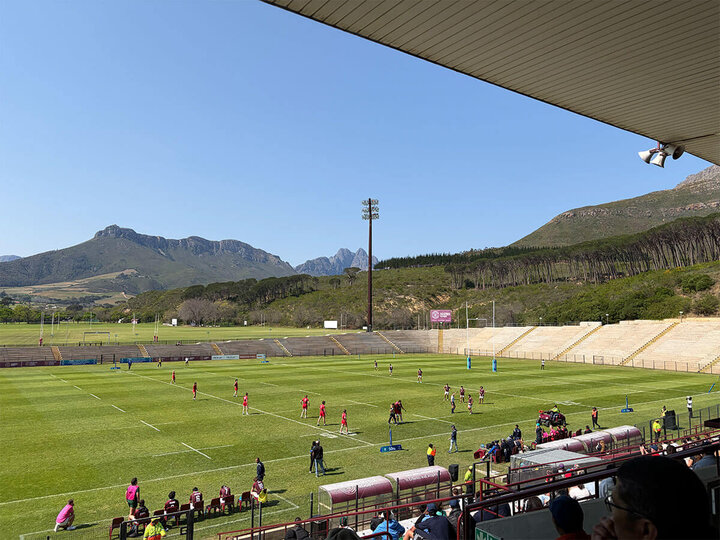

And that's how I ended up in South Africa, writing this blog from the SAS Academy and continuing to get better at rugby every day.
Looking back, it is hard to believe how much has changed in such a short amount of time. Two years ago, I convinced myself that my athletic career was over. I thought the responsible thing to do was to put sports behind me and focus entirely on school. Instead, joining a club sport at Nebraska helped me rediscover something that had always been a huge part of who I am.
I came to Nebraska thinking I had to choose between being a student and being an athlete. Instead, I found a way to be both.
I'm incredibly grateful to the coaches, teammates, friends, family and everyone at Nebraska who helped me get to where I am today. I never could have imagined that one invitation from my roommate to try rugby would eventually take me to a national team camp, an Olympic training center and halfway around the world to South Africa.
I have no idea exactly where rugby will take me from here, but I know I'm excited to find out.