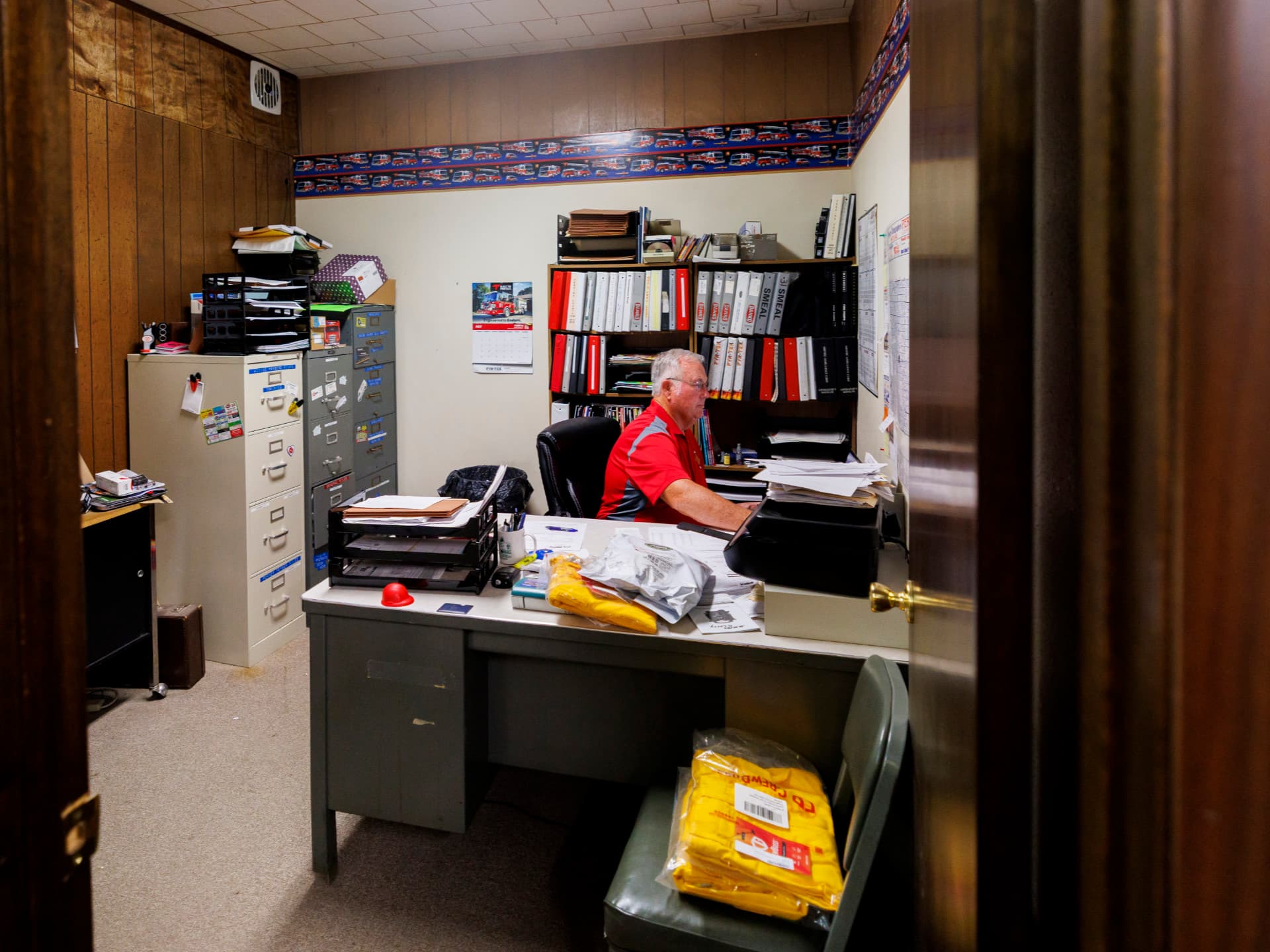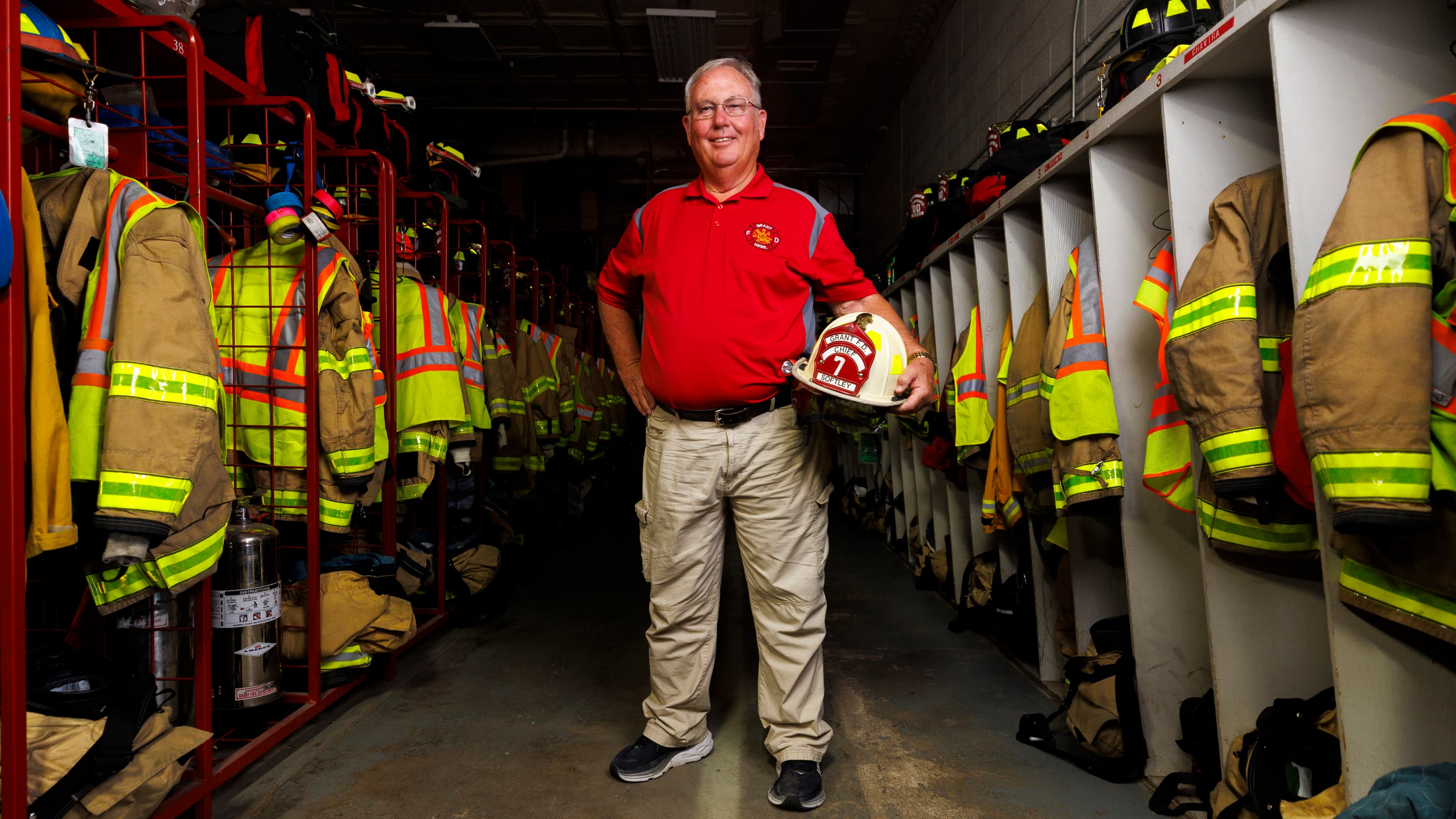
A banker, a volunteer fire chief, an emergency medical responder, a high school and college track official, a member of the local economic development committee and past member of the school foundation, and the man in charge of the annual 4th of July fireworks show.
Don Softley has held many roles around his Grant hometown, and he’s held most of them for nearly 50 years. And, while it might seem like a lot from the outside, they’re really all part of one larger project: giving back to a community that rallied around him in the wake of his wife’s tragic passing.
“When a traumatic event happens to someone — especially someone young in age with very young kids — a community coming together to offer support is such a blessing,” Don says. “People were coming in to clean the house, make food, babysit the kids and so much more. I felt that I needed to give back in any way I could.”
Before he could start giving back, Don had to figure out a way to reshape his career in a way that prioritized his two sons.
A ’76 agronomy grad with a minor in business, Don first began his career in agronomic consulting for an organization head quartered in McCook, working in the Grant area. After his wife passed, Don decided to switch trajectories, leveraging his business education to begin a career in banking that allowed him to spend more time with his kids.
“I’d always had an aptitude for numbers, which I think I got from my father, and that helped me in my business classes in college. When I changed careers to focus on being a father, I knew I had that foundation of skills the University of Nebraska had built in me to fall back on.”
Gradually, new changes began to settle in Don’s life. He met and married his current wife, Kay, and had two more children. He began a career at the Grant branch of Western States Bank, eventually moving up to branch president.
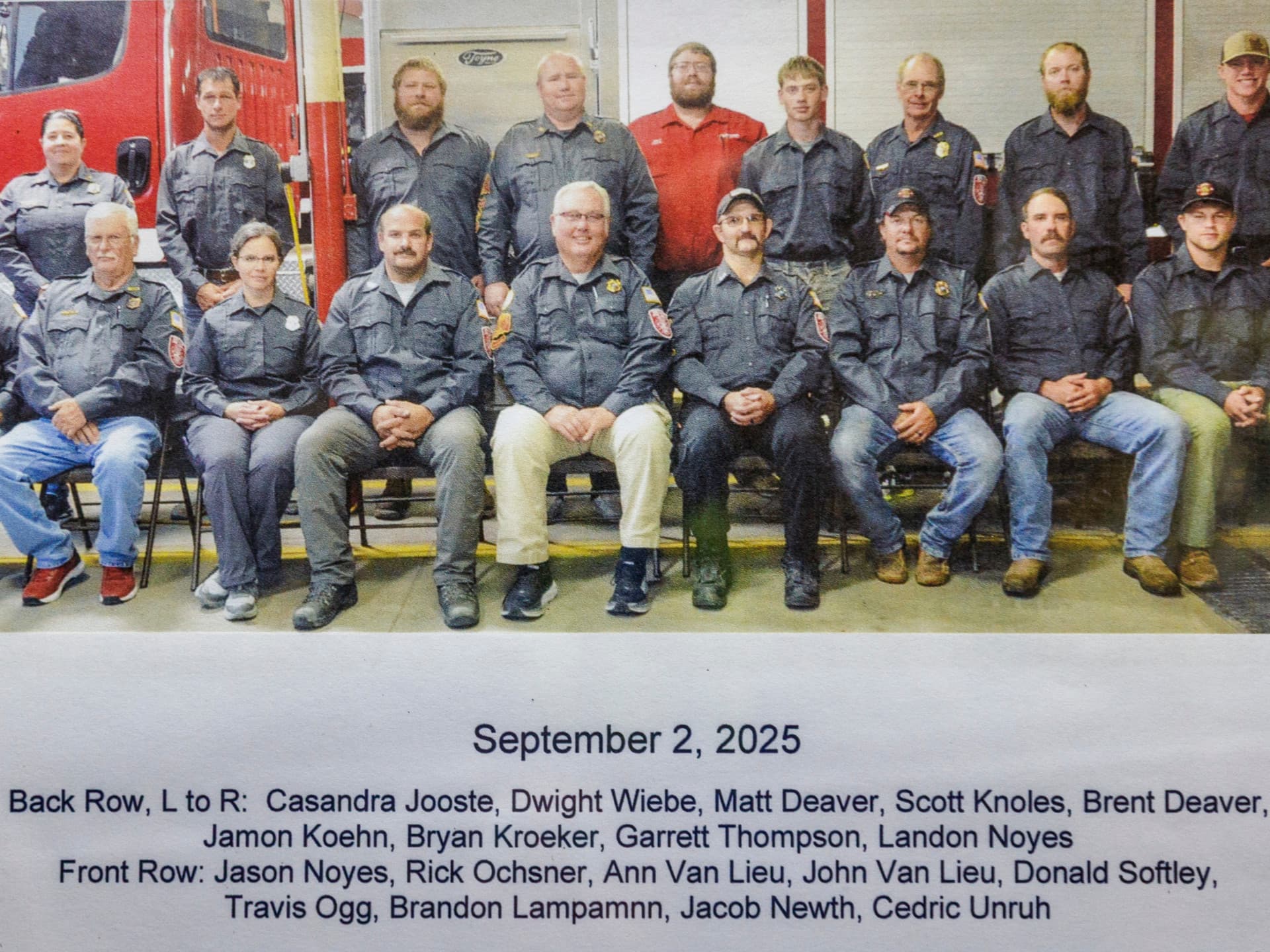
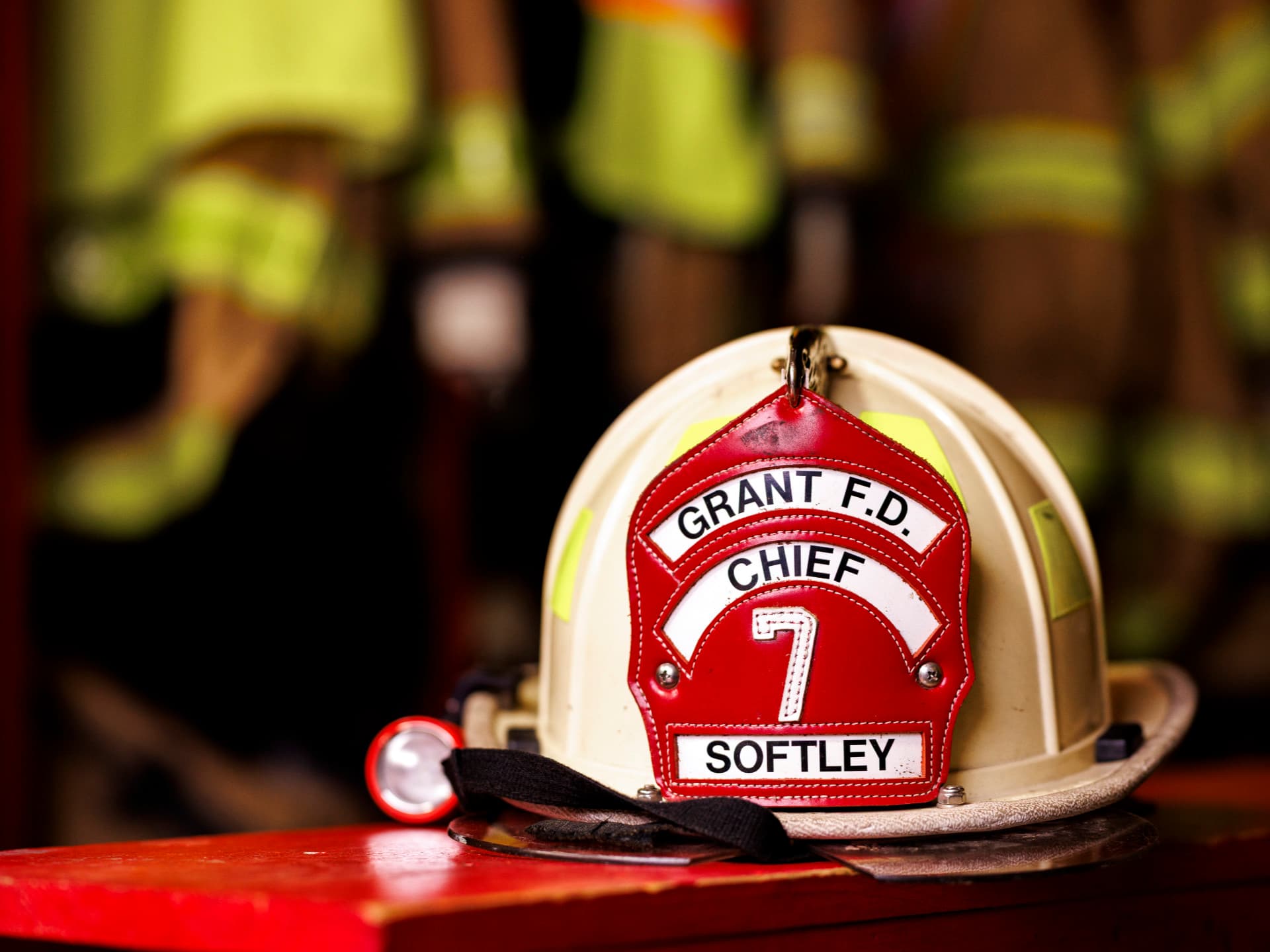
And, during that time, he began to make good on his resolve to give back to Grant. Encouraged by a friend, Don got involved in the local volunteer fire department as a firefighter and emergency responder. Nearly 50 years later, he’s still there serving as the longtime fire chief.
Oftentimes, you’re helping people who are in a real crisis and going through serious trauma. It takes a lot of empathy to help people recover from things like that; I saw a great way to return the favor back to this community.
“This light switch went off in my head very early on where I realized how strongly I felt about this work,” Don explains. “Oftentimes, you’re helping people who are in a real crisis and going through serious trauma. It takes a lot of empathy to help people recover from things like that; I saw a great way to return the favor back to this community.”
Much of this work — including fighting area wildfires — has also allowed him to maintain a working partnership with his alma mater.
“Right now, my main relationship with the University of Nebraska–Lincoln is through their Nebraska Forest Service Program,” he says. “A lot of our main firefighting tools we use are from them, and they’re very important to us. It certainly saves the taxpayer a lot of money, as well, for us to be able to use that gear to do our work.”
As he’s risen to a leader in the department and his community, Don has tried to stress the importance of volunteering time and energy to the generations below him.
“I think right now our culture doesn’t stress volunteering as much, and I’ve really tried to recruit young people in our area and help them see that this sort of work really warms your soul. With the recent fires out west, I’ve had lots more young people see the real need we have and jump in to help their fellow man, which has been great to see.”
Whether through his work as a banker, a volunteer track official (a parallel career he’s still very active in, including working 6 UNL track meets annually), his emergency services work or just as a neighbor, Don has built so many relationships by being the person ready to jump in and help. He’s a community-builder, and when he looks back on his time at the University of Nebraska–Lincoln, he recalls a time when he learned the importance of navigating differences and recognizing a common good in everyone.
“For me, my college years were so much about building all kinds of relationships. You go to college, you’re going to see different cultures and different lifestyles, and hear different thoughts. We were created to be different, and the university was a great place to learn about the world and the people in it.”